Anthropic’s Claude Ship Lets AI Agents Review, Fix and Approve Code Changes
Anthropic’s new Claude Ship suite bundles AI‑driven code review, automated pull‑request fixes and rule‑based approval, helping Indian dev teams handle the surge of AI‑generated code and speed up deployments.
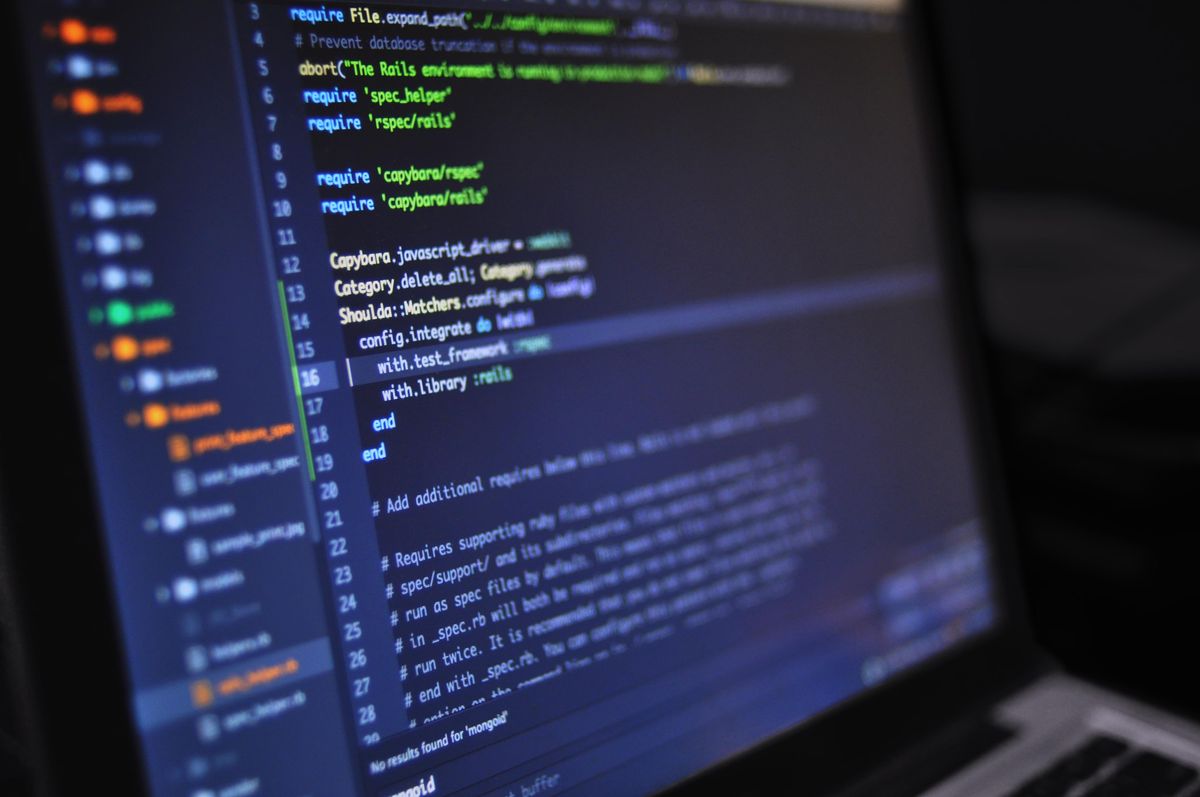
A unified AI workflow for software development
Anthropic has introduced Claude Ship, a collection of AI tools that move code review, error correction and approval decisions into a single, automated pipeline. The suite is aimed at developers who increasingly rely on AI coding assistants and need a way to manage the growing volume of pull‑request (PR) activity without overwhelming human reviewers.
Core components
- Code Review – Already generally available, this agent scans proposed changes against the existing codebase, flags potential issues and posts comments directly on PRs. Teams can select from three depth levels – Quick, Standard or Deep – to balance speed and thoroughness.
- PR Steward – Currently in beta, this agent tackles failed continuous‑integration (CI) checks, merge conflicts and reviewer feedback. It can modify the code to resolve problems, explain the changes and even undo them if needed. PR Steward does not merge or approve PRs.
- Claude Approvals – Also in beta, this agent enforces repository‑specific policies stored in configuration files. When a change complies with the defined rules, Claude Approvals can automatically approve it; more complex or risky changes are routed to a human reviewer. An observe‑only mode lets teams evaluate the agent’s decisions before granting it approval authority.
How developers trigger the process
A new /ship command in Claude Code initiates the workflow. The command pushes the code, opens a PR, runs the Code Review agent, and then hands off any failed checks to PR Steward. Final approval depends on repository permissions and the outcome of Claude Approvals. This end‑to‑end automation can reduce the back‑and‑forth that typically slows down a release cycle.
Early impact and availability
Anthropic reports that, within its own Claude Code team, merged PRs more than doubled between June and September, while the share of reverted changes dropped by over 40 %. The suite is currently offered to Claude Team and Enterprise customers using GitHub repositories. While Code Review is generally available, PR Steward and Claude Approvals remain in beta and are billed based on token usage, with administrators able to set spending caps.
Why it matters for Indian developers and enterprises
India’s tech ecosystem is witnessing rapid adoption of AI‑assisted development tools. As startups and large firms alike integrate generative code models, the volume of AI‑generated pull requests can outpace manual review capacity. Claude Ship provides a scalable safety net: routine changes are vetted automatically, freeing senior engineers to focus on architecture, security and innovation. For educational institutions, the tools can serve as teaching aids, demonstrating best‑practice review patterns while still requiring human oversight for critical decisions. Young professionals entering the job market will likely encounter such AI‑augmented workflows, making familiarity with Claude Ship’s concepts a valuable skill.
Looking ahead
The beta status of PR Steward and Claude Approvals suggests further refinements are on the horizon. As policy‑driven approval becomes more sophisticated, Indian organizations may adopt stricter governance models for AI‑generated code, aligning with regulatory expectations around software quality and data security. For now, Claude Ship offers a practical step toward integrating AI agents responsibly into the software development lifecycle.
Source: Analytics India Magazine
Likes are stored anonymously in this browser.
Related stories

AI
Anthropic launches Claude Ship, an AI tool that reviews, fixes and approves code for faster releases
Anthropic’s Claude Ship adds three AI‑driven components – Code Review, PR Steward and Claude Approvals – to scan, resolve and even merge code changes, while still letting developers set policies and limits.
AI
Agentic AI startup Demi.AI launches invite‑only beta to automate Mac‑based workflows
Former Sequoia Capital India investor Sudhanshu Mishra has introduced Demi.AI, an agentic AI assistant for Mac that learns a user’s habits and completes tasks proactively, aiming to cut the effort needed to set up AI workflows.

AI
AI agents become new gatekeepers of Indian consumer purchases, urging businesses to adapt
A report by Andreessen Horowitz shows AI assistants now recommend products, compare prices and complete check‑outs, creating a Business‑to‑Agent economy that Indian retailers must optimise for.
Comments
Comments appear immediately. Profanity is blocked, and readers can report comments for moderator review.
Loading comments…