CBSE’s 2026 rollout of the three‑language formula faces practical hurdles for students and schools
From the 2026‑27 academic year, CBSE schools must follow the three‑language formula, making two Indian languages compulsory for Class 6. The move, linked to the NEP and a Supreme Court review, raises logistical and curricular challenges for families and…
Source: The Hindu
Key takeaways
- From the 2026-27 session, every student entering Class 6 at a CBSE school must study two Indian languages under the three-language formula.
- Students in Classes 7 to 9 who were studying two non-native languages get limited relaxations, though the board has not detailed what they cover.
- Schools must find timetable space, qualified language teachers and new materials, while the Supreme Court's review of the policy is still pending.
What the new rule entails
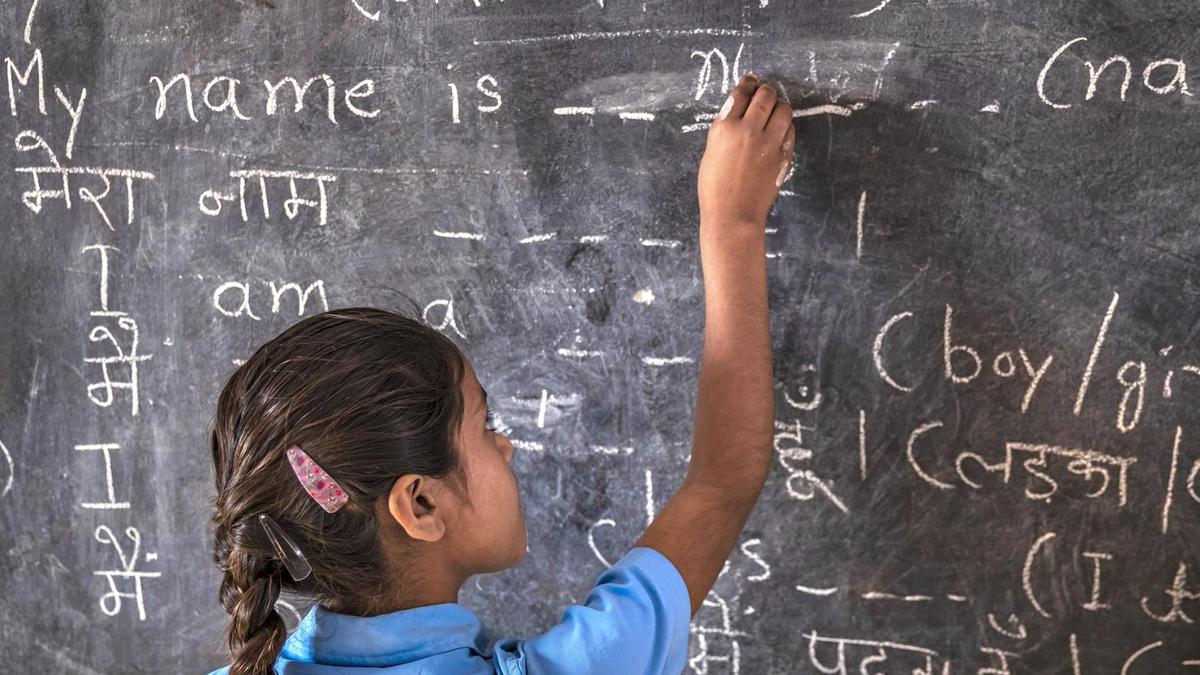
The Central Board of Secondary Education (CBSE) has issued guidelines stating that from the 2026‑27 session onward, every student entering Class 6 will be required to study two Indian languages, referred to as Bhartiya Bhashas. This requirement is part of the three‑language formula that the Supreme Court is currently examining. For students in Classes 7, 8 and 9 who were previously studying two non‑native languages, the board has announced limited relaxations, though the exact nature of those relaxations has not been detailed.
Why the policy matters
The three‑language formula is a cornerstone of the National Education Policy (NEP), aiming to promote multilingual proficiency and cultural integration. By mandating Indian languages at an early stage, the policy seeks to ensure that students develop a stronger connection to the country’s linguistic diversity. For Indian families, especially those residing in states where the regional language differs from the two mandated languages, the rule could affect choices around language instruction and after‑school tutoring.
Practical challenges for schools
Implementing the mandate across CBSE‑affiliated schools introduces several logistical issues:
- Curriculum redesign – Schools must adjust timetables to accommodate two additional language periods for Class 6, potentially squeezing time for other subjects.
- Teacher availability – Recruiting qualified teachers for the mandated Indian languages may be difficult, particularly in regions where those languages are not commonly spoken.
- Resource allocation – Textbooks, learning materials, and assessment tools need to be sourced or developed in line with the new requirements.
- Transition for existing students – Pupils already in Classes 7‑9 who were studying two non‑native languages will need to adapt to the relaxations, which could involve shifting to a different language stream mid‑course.
Impact on students and parents
For students, the early introduction of two Indian languages could enhance linguistic competence but may also increase academic load. Parents might need to consider extra tuition or language‑learning support, especially if the mandated languages differ from the home language. The policy’s timing—coinciding with the start of secondary education—means families must plan ahead for the upcoming academic year.
Looking ahead
While the Supreme Court’s review of the three‑language policy is still pending, CBSE’s guidelines signal a firm move toward full implementation under the NEP. Stakeholders, including school administrators, teachers, and parents, will need to collaborate to address the practical roadblocks and ensure that the transition does not compromise the quality of education.
The shift underscores the broader national effort to embed multilingualism in the education system, but its success will depend on how effectively schools can manage the operational challenges.
Source: The Hindu
Likes are stored anonymously in this browser.
Related stories
Schooling
Delhi High Court declines to add seats for FYUP graduates, asks UGC to decide
The Delhi High Court refused to order extra seats for Delhi University’s first four‑year undergraduate batch in its new one‑year master’s programme, directing the UGC to consider the students’ grievances within three weeks.

Schooling
CBSE asks schools to promote digital payments awareness and financial literacy
CBSE advised schools to build awareness of digital payments and include financial literacy modules, linking everyday money skills with safer digital habits.

Schooling
IIM Ahmedabad summer placements 2026‑27: 414 students placed, consulting grabs 46% of offers
All 414 PGP‑2028 students at IIM Ahmedabad secured summer internships, with consulting firms providing 191 offers (46%). Over 160 companies participated, including 55 newcomers, across three industry clusters.
Comments
Comments appear immediately. Profanity is blocked, and readers can report comments for moderator review.
Loading comments…