Delhi High Court declines to add seats for FYUP graduates, asks UGC to decide
The Delhi High Court refused to order extra seats for Delhi University’s first four‑year undergraduate batch in its new one‑year master’s programme, directing the UGC to consider the students’ grievances within three weeks.
Source: The Indian Express
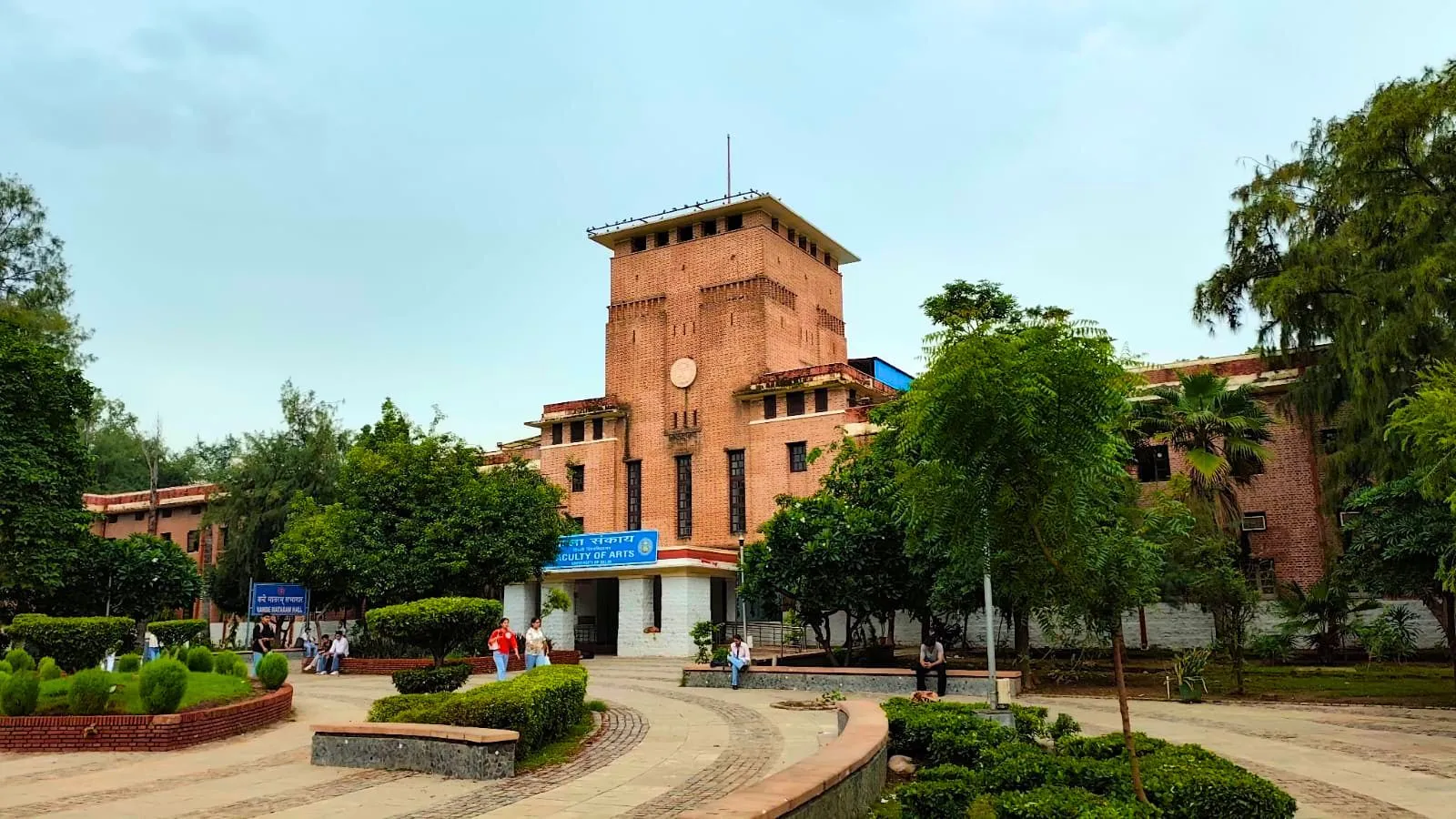
Court rejects request for additional seats
On 20 November, the Delhi High Court turned down eight petitions filed by students who completed Delhi University’s Four‑Year Undergraduate Programme (FYUP) introduced in 2022 under the National Education Policy. The students sought a court order directing the university to create extra seats in its newly‑launched one‑year master’s programme so they could continue their studies without a gap year.
Justice Jasmeet Singh noted that the students had a “bona‑fide belief and legitimate expectation” that finishing the FYUP would allow seamless entry into a one‑year postgraduate course. However, the court held that ordering new seats would exceed its judicial authority, as it would require assessment of academic capacity, faculty availability, infrastructure and curriculum comparability – matters that belong to academic regulators.
Admission criteria under scrutiny
Delhi University began offering a one‑year master’s programme in the 2026‑27 academic year, alongside its traditional two‑year postgraduate course. Admission to the two‑year programme is based on CUET PG scores, while the one‑year programme uses the cumulative undergraduate grade point average (CGPA) together with a university‑defined priority order. This system placed students with multidisciplinary degrees and higher CGPAs behind Honours graduates who had lower scores, prompting the claim of discrimination.
Court’s directive to the UGC
Instead of granting relief, the court directed the University Grants Commission (UGC) to treat the petitions as representations and to examine whether seats are available in one‑year master’s programmes at other institutions. The UGC was instructed to act within three weeks, seeking to accommodate the affected students wherever feasible.
Implications for students and institutions
Thousands of FYUP graduates now face an academic year of uncertainty because the one‑year master’s programme has limited seats. The court’s decision underscores the limited role of the judiciary in academic policy matters and places the onus on the UGC to resolve the capacity and fairness issues. For Indian students, especially those opting for multidisciplinary undergraduate pathways, the outcome will affect their ability to progress quickly to postgraduate studies, a key consideration under the NEP’s push for flexible, shorter programmes.
What to watch next
The UGC’s response will determine whether additional seats can be sourced from other universities or whether policy adjustments are needed to align admission criteria with the expectations set when the FYUP was launched. Students and parents should monitor the regulator’s decision, as it will shape the viability of one‑year master’s routes for the first FYUP cohort and potentially influence future undergraduate‑to‑postgraduate pathways across India.
Source: The Indian Express
Likes are stored anonymously in this browser.
Related stories
Schooling
CBSE’s 2026 rollout of the three‑language formula faces practical hurdles for students and schools
From the 2026‑27 academic year, CBSE schools must follow the three‑language formula, making two Indian languages compulsory for Class 6. The move, linked to the NEP and a Supreme Court review, raises logistical and curricular challenges for families and…
Schooling
IIM Ahmedabad summer placements 2026‑27: 414 students placed, consulting grabs 46% of offers
All 414 PGP‑2028 students at IIM Ahmedabad secured summer internships, with consulting firms providing 191 offers (46%). Over 160 companies participated, including 55 newcomers, across three industry clusters.
Schooling
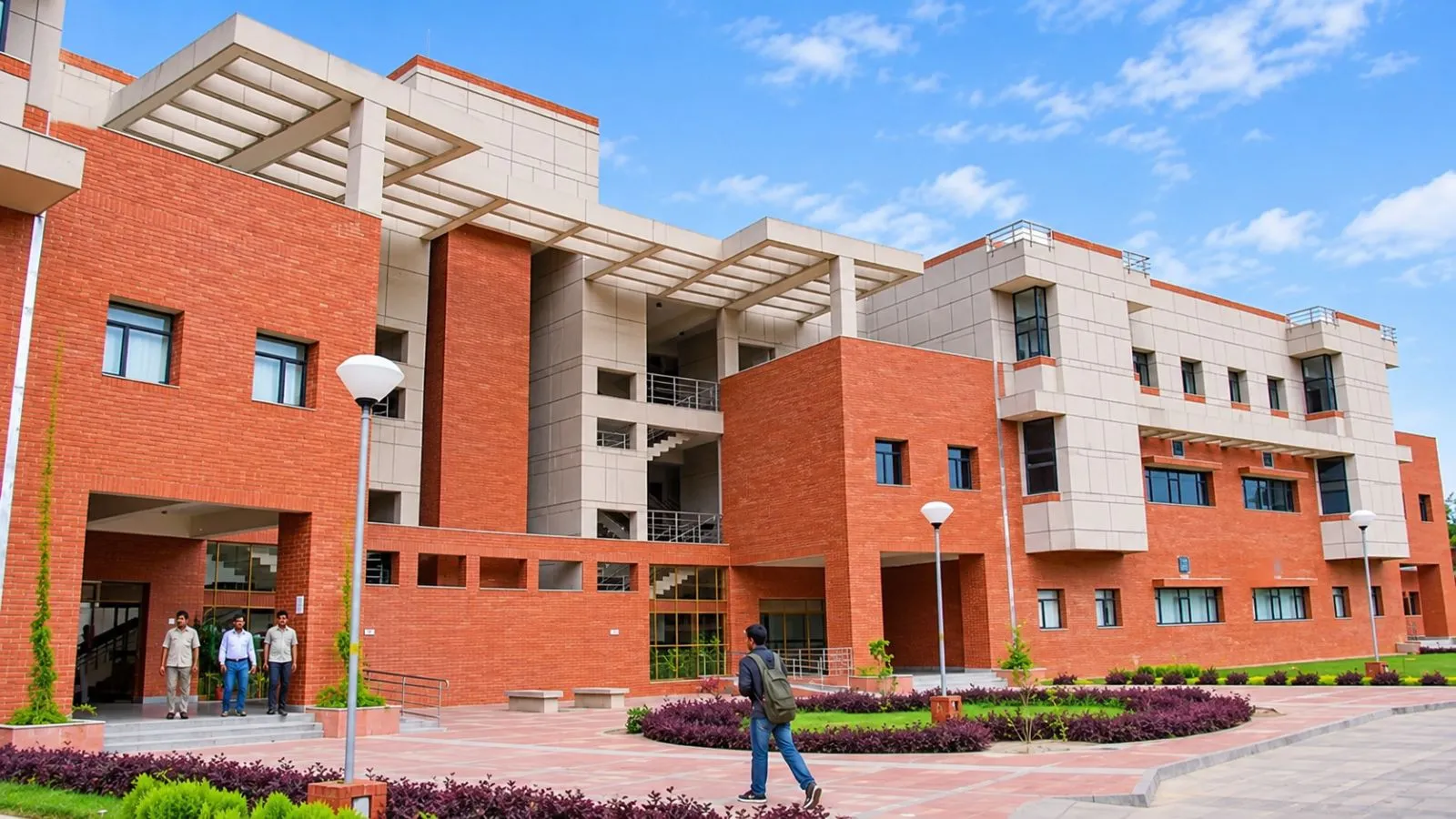
IIT Kanpur expands Opportunity School with new classrooms and modern computer lab
IIT Kanpur has opened Phase II of Sharda Singh Bhawan and a state‑of‑the‑art computer lab at its Opportunity School, adding classrooms for Classes 9‑10 and digital learning resources for children from economically weaker sections and the surrounding community.
Comments
Comments appear immediately. Profanity is blocked, and readers can report comments for moderator review.
Loading comments…