CortexSpark Ventures launches ₹1,000 cr deep‑tech fund to back AI, robotics and more
Former Infosys leaders Vinay Peshwa and Sanjay Khanduri have raised a ₹1,000 cr (potential ₹1,400 cr) deep‑tech fund, targeting 20 Indian startups in sectors such as spacetech, defence, embodied AI, robotics, med‑tech and advanced materials.

A new deep‑tech fund with a sizable Indian focus
CortexSpark Ventures, founded by ex‑Infosys executives Vinay Peshwa and Sanjay Khanduri, announced the launch of its first investment vehicle – Viksit Bharat Fund‑I. The fund aims to raise ₹1,000 cr (about $107 million) and includes a greenshoe option for an additional ₹400 cr, bringing the possible total to ₹1,400 cr (≈$150 million). Registered with SEBI as a Category II Alternative Investment Fund under the name CortexSpark Ventures Alpha Fund, the vehicle will invest in roughly 20 deep‑tech startups, with each cheque ranging between $4 million and $5 million.
Sectors earmarked for investment
CortexSpark’s thesis centers on companies that own proprietary technology and have strong technical foundations. The fund will focus on six priority sectors:
- Spacetech – hardware and software solutions for satellite and launch services.
- Defence tech – indigenous systems for national security.
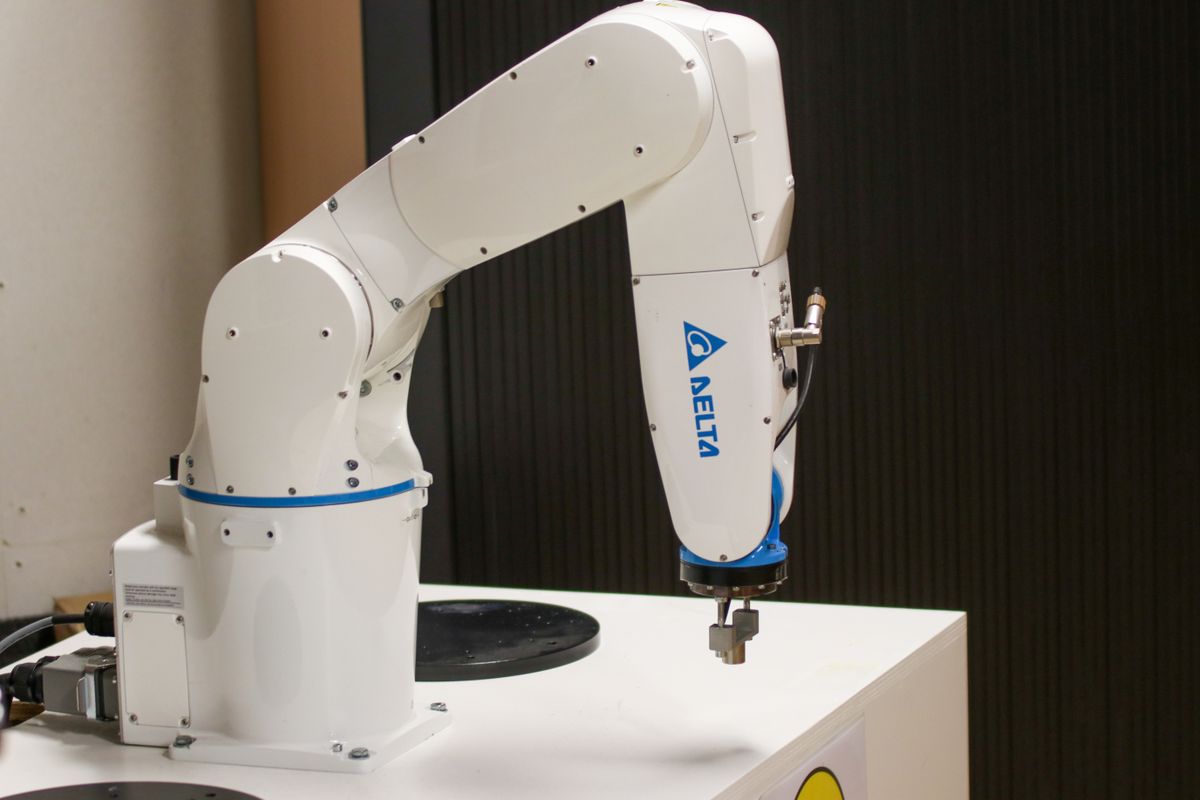
- Embodied AI and robotics – intelligent machines that interact with the physical world.
- Enterprise AI – AI‑driven platforms for business productivity.
- Med‑tech and bio‑AI – health‑care devices and AI‑enabled drug discovery.
- Energy and advanced materials – sustainable power solutions and next‑generation materials.
These areas typically involve longer development cycles and higher capital needs, which aligns with the fund’s willingness to back deep‑tech ventures that require patient capital.
Experienced leadership and advisory support
The fund’s investment committee will be chaired by Manoj Kohli, former country head of SoftBank Group and ex‑CEO of Bharti Airtel. An advisory committee brings scientific gravitas, featuring two Padma Shri awardees: N Vedachalam, former director of ISRO’s Liquid Propulsion Systems Centre, and Ashutosh Sharma, former secretary of the Department of Science and Technology and IIT Kanpur chair professor.
Both founders bring extensive industry experience. Peshwa, an IIT Kanpur alumnus, spent three decades in software, banking technology and startup investing, contributing to the development of Infosys Finacle and making over 30 angel bets in AI and deep‑tech. Khanduri holds degrees from IIT (BHU), IIM Lucknow and an MBA from Wharton, with a background in global capital markets at Citigroup, Infosys and Standard Chartered.
Beyond capital: a technology‑driven platform
CortexSpark is building an AI‑powered operating system – CortexSpark OS – to streamline deal sourcing, screening, due diligence and portfolio monitoring. The platform aims to provide data‑rich insights for scientific evaluation of potential investments. In addition to funding, the firm will assist portfolio companies with product development, talent acquisition, market entry, and connections to enterprise customers, international partners and follow‑on investors.
Why the fund matters for Indian students and young professionals
India’s deep‑tech ecosystem is gaining momentum. In Q3 2026, deep‑tech startups raised $290 million across 28 deals, a 176 % jump from the same period a year earlier, while overall startup funding grew only 5 %. The influx of capital signals growing confidence in home‑grown technology product companies that can compete globally.
For engineering students, the fund’s focus on sectors such as robotics, AI and advanced materials translates into more research and internship opportunities in cutting‑edge projects. Graduates with expertise in embedded systems, machine learning or material science may find a broader range of Indian startups seeking talent, reducing the need to move abroad for deep‑tech roles.
Parents and educators can view the fund as a catalyst for building indigenous capabilities, potentially leading to more locally relevant products in healthcare, defence and energy. This aligns with national goals of self‑reliance and could create high‑value jobs in research‑intensive domains.
Young professionals in finance, product management or business development will also benefit from a growing pool of deep‑tech firms requiring non‑technical expertise to commercialise their inventions. The fund’s promise of follow‑on investment and market access can accelerate the scaling of these startups, expanding career pathways in emerging technology sectors.
A broader wave of deep‑tech financing
CortexSpark’s launch follows other sizable funds, such as Oister Global’s ₹600 cr growth‑stage deep‑tech fund and the reported ₹700 cr Longshot Capital fund by Unacademy co‑founders. The collective capital influx underscores a shift from service‑oriented tech companies toward product‑centric, IP‑driven enterprises.
Overall, the Viksit Bharat Fund‑I represents a strategic push to nurture deep‑tech entrepreneurship in India, offering students, families and early‑career professionals new avenues to engage with world‑class technology development at home.
Source: Inc42
Likes are stored anonymously in this browser.
Related stories

Robotics
IITs to Add 6,000 Seats in Robotics, Physical‑AI and Space Technology from 2027
The Bhupat and Jyoti Mehta Family Foundation will fund 6,000 new undergraduate, postgraduate and doctoral seats across six IITs, focusing on robotics, physical AI and space engineering to build a talent pipeline for India’s emerging tech sectors.
Robotics
ISRO plans robotic arms for the Bharatiya Antariksh Station
ISRO shared plans for internal and external robotic arms on India’s planned space station to support operations, maintenance, and future expansion.

Robotics
China’s Shenzhou‑24 Launch Carries First Pakistani Astronaut to Tiangong Station
China launched the Shenzhou‑24 crewed mission on 25 Nov 2026, sending three astronauts – including Pakistan’s Muhammad Zeeshan Ali, the first foreign participant in China’s space programme – to the Tiangong space station for a week‑long stay.
Comments
Comments appear immediately. Profanity is blocked, and readers can report comments for moderator review.
Loading comments…