IITs to Add 6,000 Seats in Robotics, Physical‑AI and Space Technology from 2027
The Bhupat and Jyoti Mehta Family Foundation will fund 6,000 new undergraduate, postgraduate and doctoral seats across six IITs, focusing on robotics, physical AI and space engineering to build a talent pipeline for India’s emerging tech sectors.
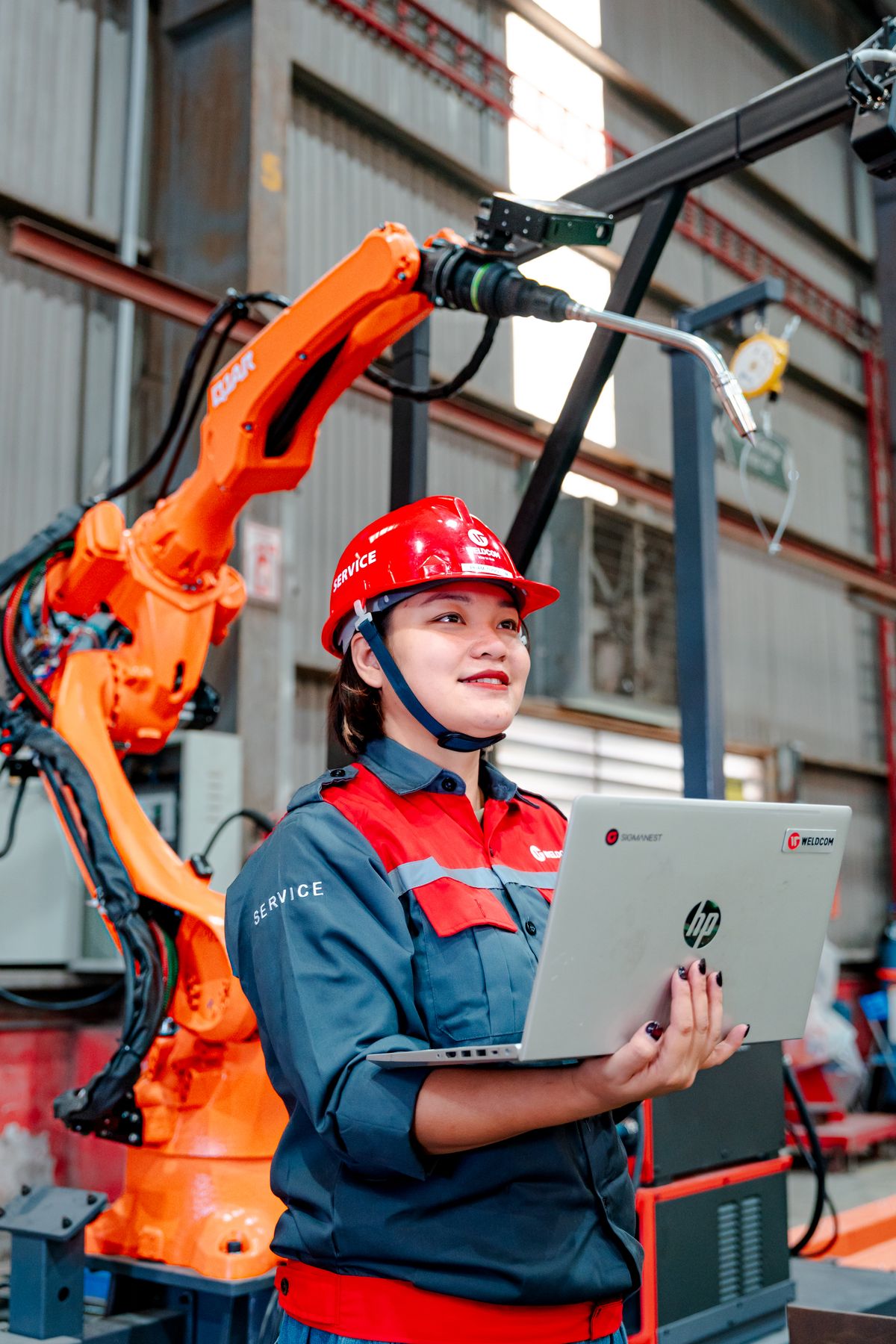
New Seats Across IITs
From 2027, six Indian Institutes of Technology will expand their specialised programmes with roughly 6,000 additional seats. The Bhupat and Jyoti Mehta Family Foundation (MFF), which has already helped set up centres in six IITs, will partner with the institutes to launch these seats across BTech, MTech and PhD levels.
- Robotics and Physical‑AI: 5,000 seats (2,500 BTech, 1,200 MTech, 1,300 PhD)
- Space Engineering & Technology: 1,000 seats (500 BTech, 300 MTech, 200 PhD)
More than 120 faculty members are expected to support the new courses.
Curriculum Tailored to Indian Needs
The robotics and physical‑AI programmes will blend mechanical, electrical and software engineering with machine learning, computer vision, sensing and control systems. Students will gain hands‑on experience in both hardware and software, tackling research topics such as:
- Foundation models and digital twins
- Humanoid, legged and soft robots
- Swarm robotics
The curriculum will also address operating conditions unique to India—high temperatures, dust, intermittent power and cost constraints—making the technology relevant for agricultural automation, rural healthcare and small‑scale manufacturing.
Industry interaction is built into the programmes through capstone projects and a paid industry‑residency semester at a participating IIT. In addition, students will study the social impact of automation, including potential effects on employment and inequality.
Space Science and Technology School
One of the partner IITs will host a new School of Space Science and Technology. The school will concentrate on satellite navigation, space robotics and human spaceflight, further strengthening India’s capabilities in the rapidly growing space sector.
Why It Matters for Students and the Economy
The initiative aims to broaden higher‑education opportunities in emerging technology fields and create a steady talent pipeline for India’s manufacturing, robotics and space industries. By offering a clear pathway from undergraduate to doctoral study, the programmes can help students secure advanced technical roles without needing to go abroad.
The Mehta Family Foundation’s earlier collaborations have already produced eight schools and centres in data science, AI, healthcare engineering and sustainability, recording over 4,000 admissions. Extending the partnership to robotics, physical‑AI and space technology could significantly increase the number of skilled professionals ready to drive innovation in key sectors of the Indian economy.
Looking Ahead
While the specific IITs that will host each programme have not been disclosed, the scale of the investment signals a long‑term commitment to building world‑class research and education infrastructure. For Indian students, families and young professionals, the new seats represent expanded options to study cutting‑edge technologies that are directly linked to national priorities such as self‑reliant manufacturing, digital transformation and space exploration.
Source: The Indian Express
Likes are stored anonymously in this browser.
Related stories
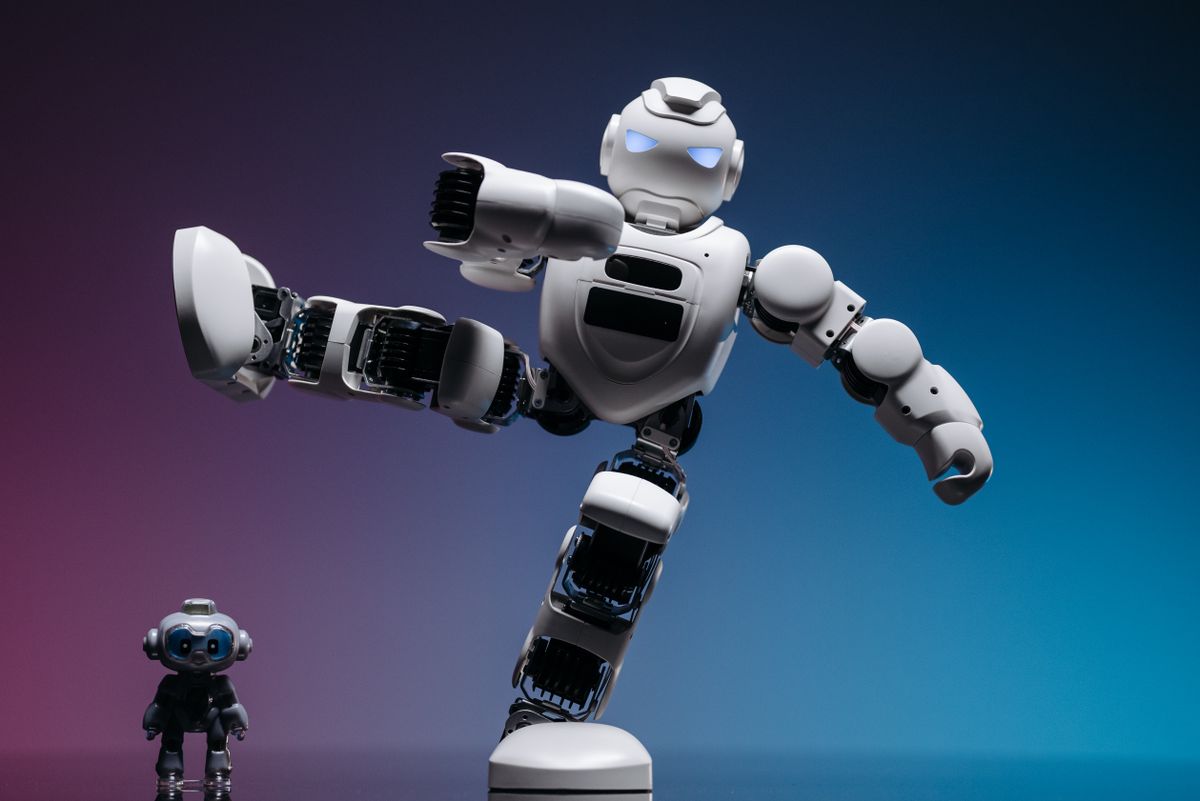
Robotics
CortexSpark Ventures launches ₹1,000 cr deep‑tech fund to back AI, robotics and more
Former Infosys leaders Vinay Peshwa and Sanjay Khanduri have raised a ₹1,000 cr (potential ₹1,400 cr) deep‑tech fund, targeting 20 Indian startups in sectors such as spacetech, defence, embodied AI, robotics, med‑tech and advanced materials.
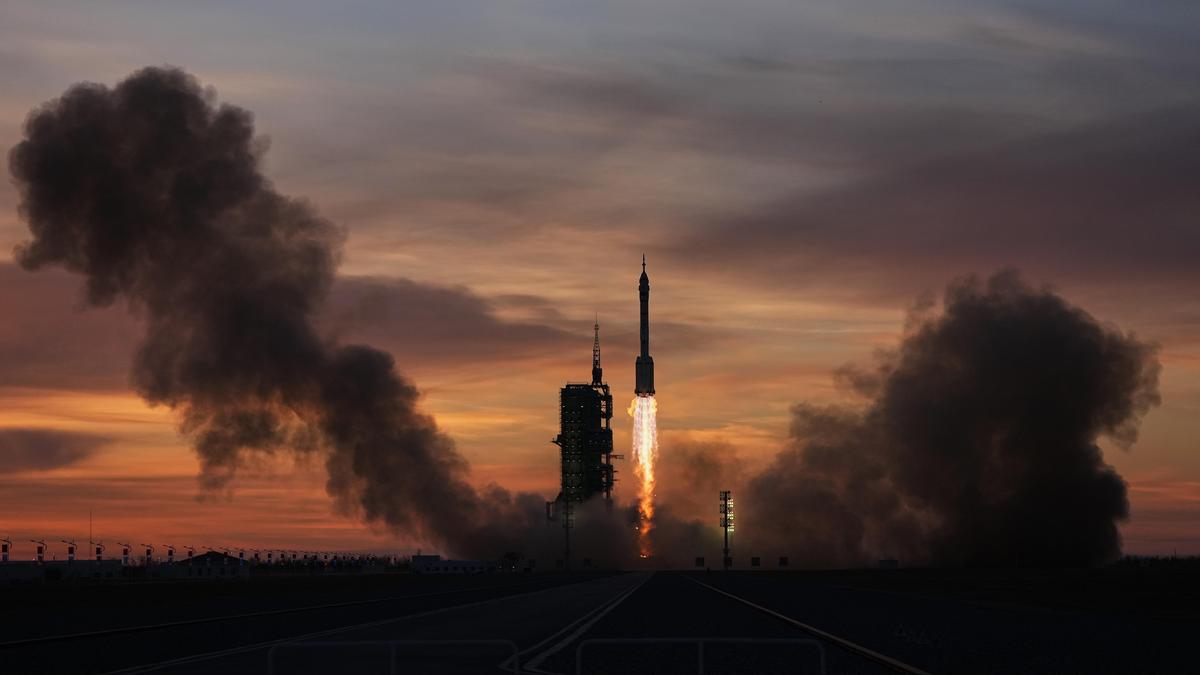
Robotics
China’s Shenzhou‑24 Launch Carries First Pakistani Astronaut to Tiangong Station
China launched the Shenzhou‑24 crewed mission on 25 Nov 2026, sending three astronauts – including Pakistan’s Muhammad Zeeshan Ali, the first foreign participant in China’s space programme – to the Tiangong space station for a week‑long stay.

Schooling
Why IIT wellness programmes fell short in preventing a student’s death
The death of a second‑year IIT Roorkee student highlights gaps in counselling and mental‑health support, prompting a call for more personalised, proactive interventions in Indian higher‑education institutions.
Comments
Comments appear immediately. Profanity is blocked, and readers can report comments for moderator review.
Loading comments…